
Patient Zone
Patients are at the heart of everything we do to improve endocrinology research, diagnosis and treatment in Europe.
Here, you will find resources for patients and information about our partnerships with patient organisations.
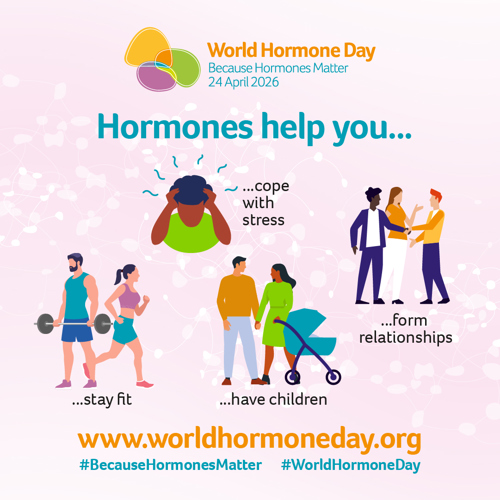
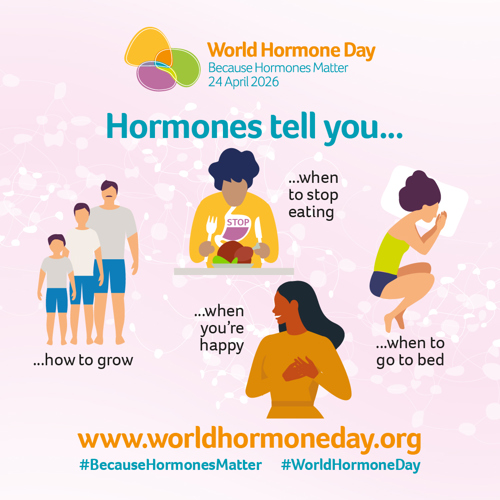
On 24 April 2026, ESE and the endocrine community around the world united to raise awareness of what hormones do and why they matter.
Find out more about the campaign and the small steps we can all take towards better hormone health – #BecauseHormonesMatter

Hormones are biological messengers that travel throughout the body, telling cells and tissues what to do. When they are out of balance or fail, this can lead to the development of prevalent chronic diseases such as diabetes, thyroid disorders, cancer, osteoporosis and obesity, and other health challenges such as infertility. There are also more than 440 rare endocrine conditions that affect millions of people in Europe, but often go undetected.
Watch the video to learn more about why hormones matter.
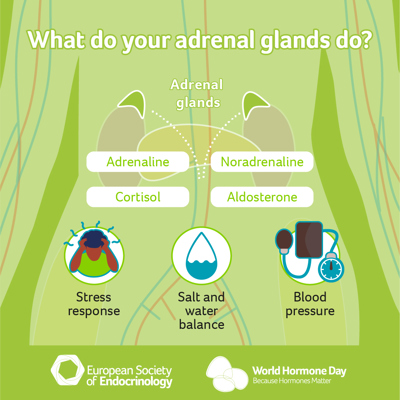
Below you will find information about glands in the endocrine system, the hormones they produce and useful resources for anyone affected by related endocrine conditions. This includes patient information leaflets, videos, emergency treatment cards and links to patient groups who can offer additional information and support.
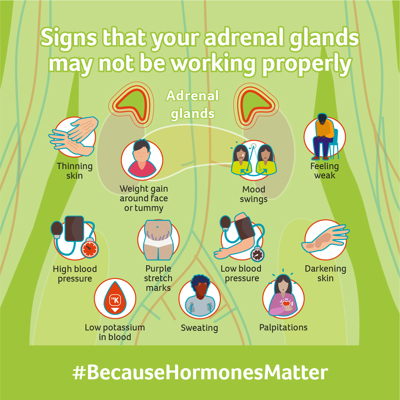
Useful resources:
- Patient Information Leaflet for glucocorticoid (steroid) therapy
- Patient Information Leaflet for individuals with adrenal incidentalomas
- "Emergency cards" for adult patients with adrenal insufficiency (available in nine languages)
- Patient leaflet on the causes and symptoms of adrenal insufficiency (endorsed by ESE, Addison’s Disease Self Help Group, Pituitary Foundation and the Royal College of Physicians and Society for Endocrinology)
- ESE Adrenal Patient Forum – webinars for patients with adrenal conditions
ESE Corporate Member Esteve has provided information for patients about paediatric adrenocortical carcinoma (please note these materials are developed by and property of Esteve and not of ESE):
- Esteve's Paediatric Adrenocortical Carcinoma (ACC) Patient Brochure
- Esteve's Understanding Adrenocortical Carcinoma (ACC) – A Guide for Patients
ESE partner Patient Advocacy Groups who may be able to provide additional advice and support to patients with adrenal and cardiovascular conditions:
- Addison Foreningen i Danmark
- AdrenalNET
- Addison's Disease Self Help Group UK
- AGS- Eltern- und Patienteninitiative e.V.
- AIPAd Italy
- Association for Multiple Endocrine Neoplasia Disorders (AMEND)
- Bijniervereniging
- Congenital Adrenal Hyperplasia (CAH) Support Group
- Cushing's Support and Research Foundation
- Let's Cure ACC
- Netzwerk Hypophysen - und Nebennierenerkrankungen e.V.
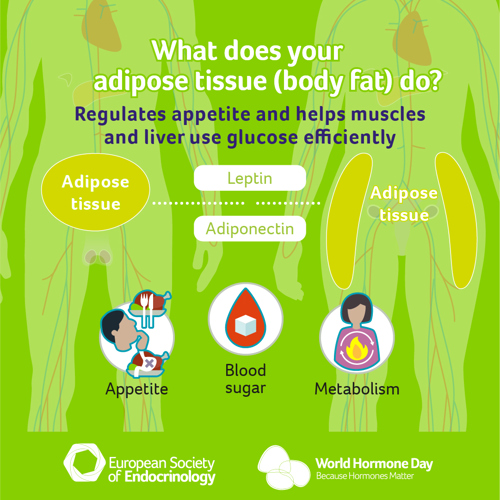
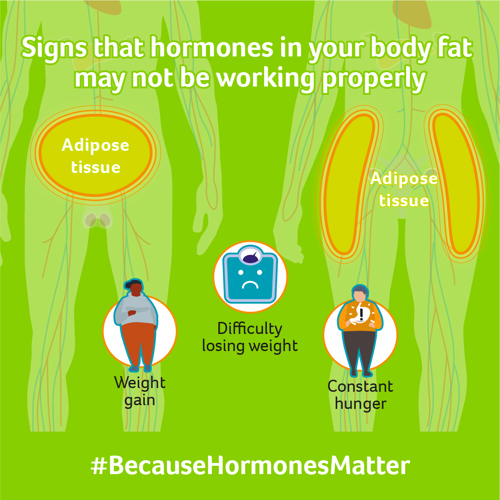
Related conditions could include diabetes, obesity and metabolic disorders.
ESE partner Patient Advocacy Groups who may be able to provide additional advice and support to patients affected by these conditions:
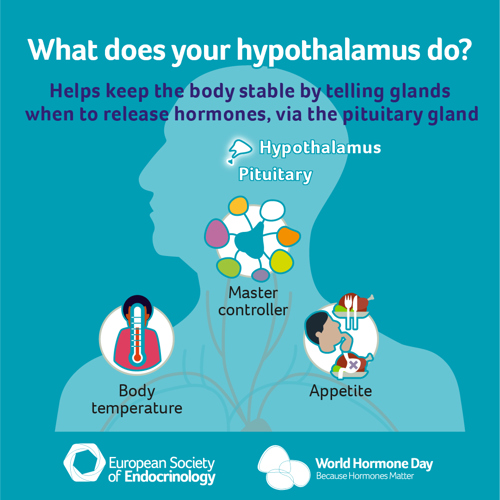
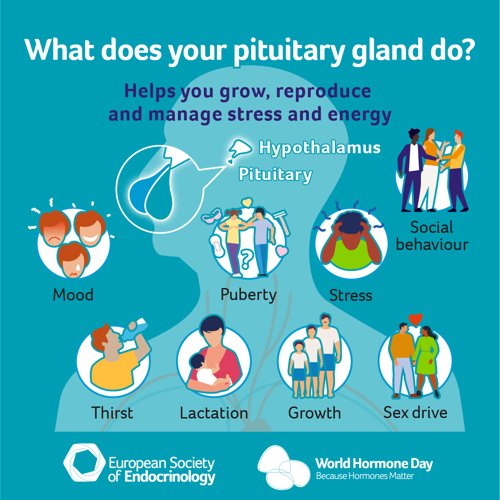
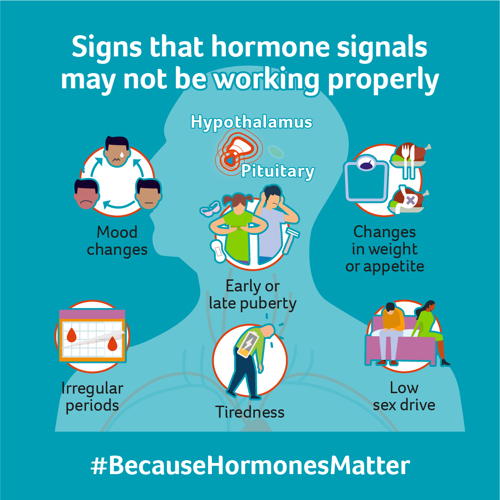
Useful resources:
- Video – The Pituitary Gland
- Patient Information Leaflet for patients with aggressive pituitary tumours and pituitary carcinomas
- Patient Information Leaflet for women with pituitary adenomas before, during and after pregnancy
- "Emergency cards" for adult patients with arginine vasopressin deficiency / diabetes insipidus (available in eight languages)
ESE partner Patient Advocacy Groups who may be able to provide additional advice and support to patients affected by pituitary and neuroendocrine conditions:
- Acromégales pas Seulement
- Association for Multiple Endocrine Neoplasia Disorders (AMEND)
- Cushing's Support and Research Foundation
- Pituitary Foundation UK
- International Prader-Willi Syndrome Organisation (IPWSO)
- Nederlandse Hypofyse Stichting (Dutch Pituitary Foundation)
- Netzwerk Hypophysen -und Nebennierenerkrankungen e.V.
- SOD Italia Associazione Italiana Displasia Setto Ottica e Altri Disordini Neuroendocrini
- Worldwide Adrenal and Pituitary Organizations (WAPO)
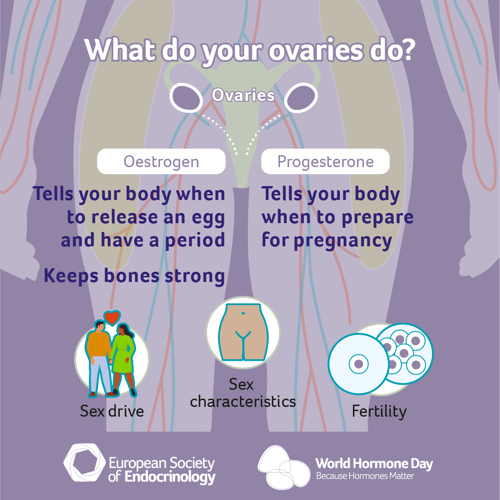
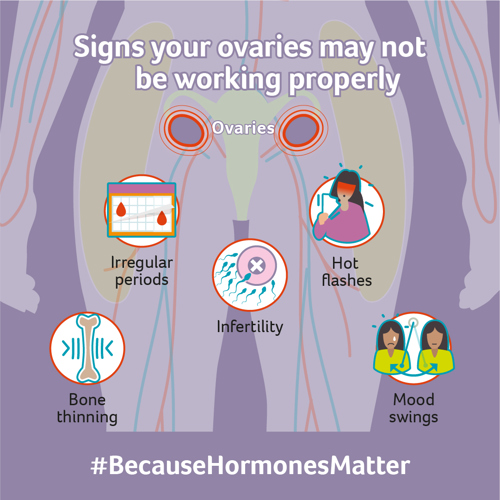
Useful resources:
- Video – Polycystic Ovary Syndrome (now referred to as PMOS)
ESE partner Patient Advocacy Groups who may be able to provide additional advice and support to patients affected by related conditions:
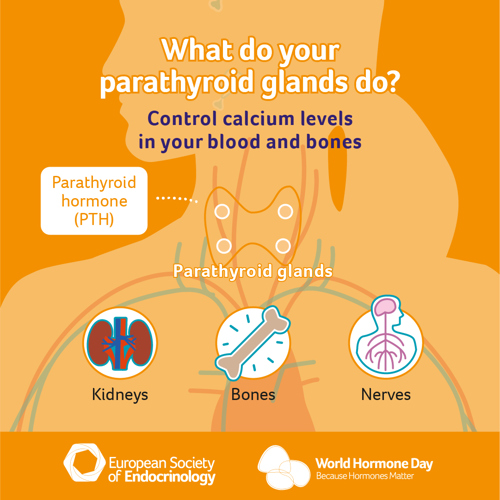
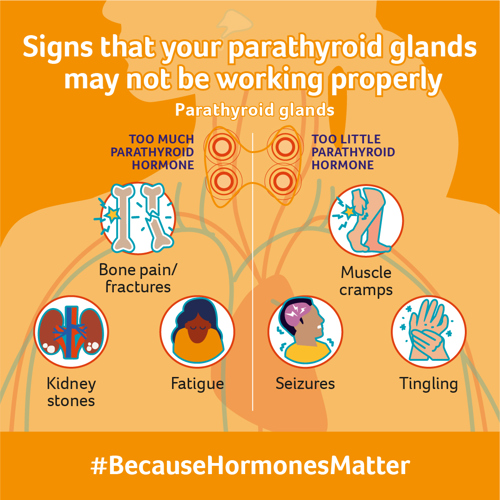
Useful resources:
- Patient Information Leaflet for hypoparathyroidism
- Patient Information Leaflet for primary hyperparathyroidism
- "Emergency cards" for adult patients with hypoparathyroidism (available in 18 languages)
- ESE Hypoparathyroidism Patient Forum – webinars for patients with hypoparathyroidism
Through PARAT, our educational programme on parathyroid disorders, we publish adapted materials to reflect the latest consensus on diagnosis and treatment. These are intended for clinicians to use with patients, but patients and their families may also find them useful:
- Patient Guide to Hypoparathyroidism (PARAT resource)
- A Patient Parathyroid Disorders Guide During Preconception, Pregnancy and Lactation (PARAT resource)
ESE Corporate Member BridgeBio/Calcilytix has developed ADH1 Patient Information Leaflets in various languages which can be found below (please note these are developed by and property of BridgeBio/Calcilytix and not of ESE):
- ADH1 Patient Information Leaflets: BridgeBio/Calcilytix
- Information about BridgeBio/Calcilytix CALIBRATE Phase 3 Study
ESE partner Patient Advocacy Groups who may be able to provide additional advice and support to patients affected by parathyroid-related conditions:
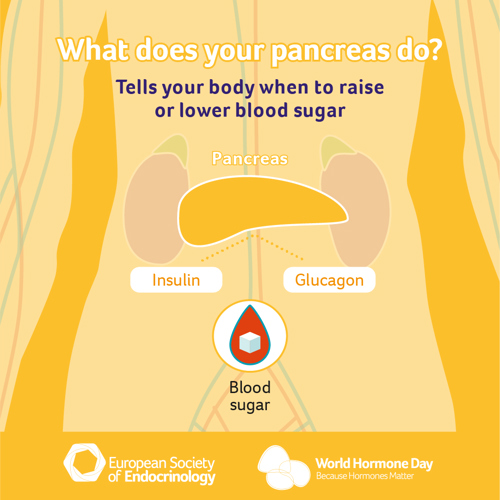
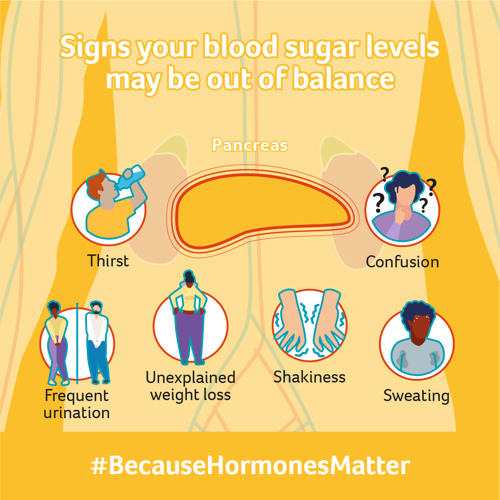
Useful resources:
- Video – The Thyroid Gland
- "Emergency cards" for adult patients with hypothyroidism (available in four languages)
ESE partner Patient Advocacy Groups who may be able to provide additional advice and support to patients affected by thyroid-related conditions:
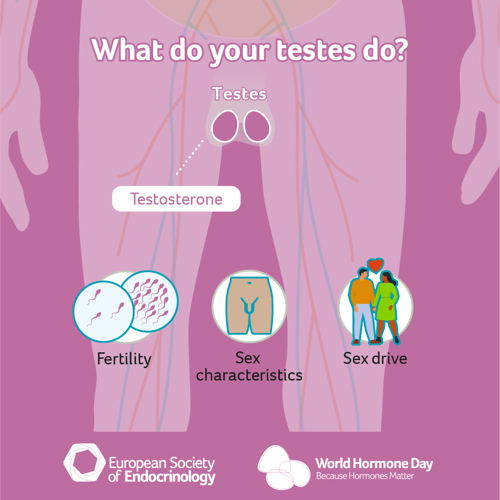
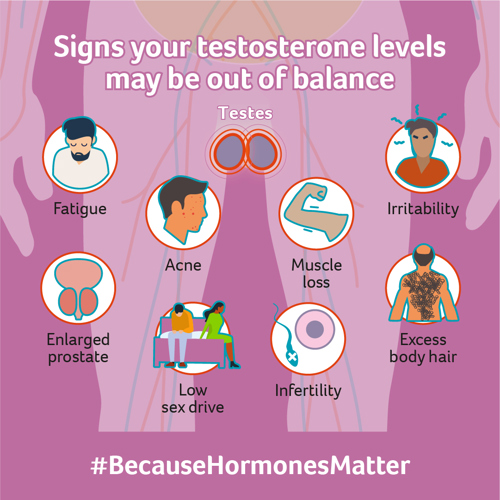
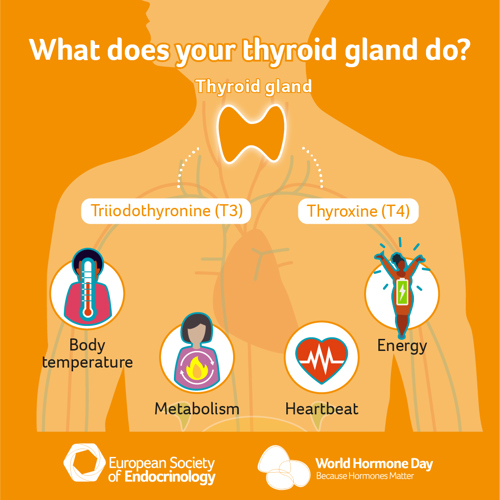
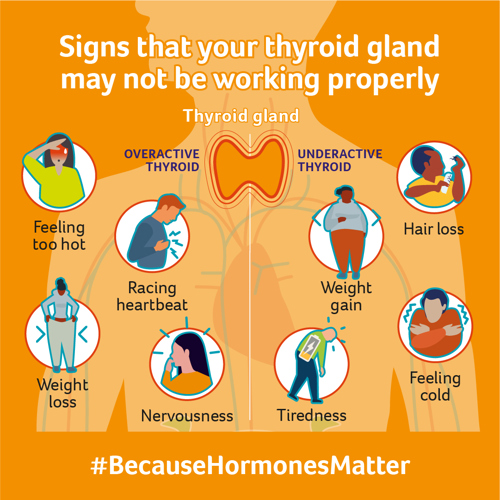
If you'd like to download and use the graphics above, please visit the World Hormone Day Toolkit.
The toolkit also includes a wide range of other materials and resources about hormone health that you can use any time.
Want to improve your hormone health? Even small changes can make a big difference. Watch the video to see 10 small steps you could take.
Information for children
The European Society for Paediatric Endocrinology offers child-friendly guides on endocrine conditions in children and young people. Choose from simpler versions for younger children and more detailed guides for older children and teens.

Information for teachers and students
You and Your Hormones is an education resource developed by the Society for Endocrinology. It includes information on hormones and hormone-related conditions, written and reviewed by experts.

Medical professionals participate in continuing education to keep their knowledge up to date so they can provide the best possible care for patients.
The BioMed Alliance, including ESE, produced this short video to show how important it is for doctors to have access to high-quality and unbiased continuing medical education.
Information for patient groups
All of ESE's work is geared towards improving the diagnosis, treatment and care of patients with hormone-related diseases. We also support many programmes that specifically support patients, including the development of patient information leaflets and videos. Often this involves close collaboration with patient-led organisations, to make sure patients' voices and experiences are heard. Click on the images below to find out more.


